 The Shore |
Leith has been an active port for at least a thousand years. In 1329 control of it was given by Robert I to the Royal Burgh of Edinburgh and since then the two have grown together, steadily eating away at the mile or two of open land that once separated them. Leith and Edinburgh now blend seamlessly together, just a short ride apart on the tram or one of the many connecting buses; or an invigorating walk for those who enjoy exploring their cities on foot.
Anyone who has read Irvine Walsh's Trainspotting might feel they know all they need to know about Leith, and steer well clear of it. Yet today's Leith would be barely recognisable to the 1993 characters of the book. Over the past few decades what was a typically rough-edged large seaport has turned into something very different.
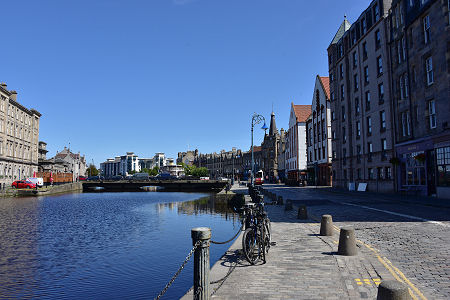
Today's Leith is a fitting foil for Edinburgh's Athens of the North; and while calling it the Venice of the North might be going a little far, the ongoing development of its many waterfront areas into smart (and expensive) flats, restaurants, bars, shops and offices, is certainly pushing it in that direction.
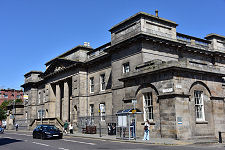
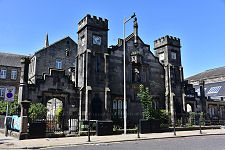
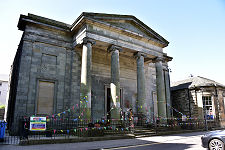
What's happened over that time has been the steady retreat of Leith's port activities away from the southerly docks and the mouth of the Water of Leith and into the outer, northerly, docks. And as the port activity has retreated so the developers have taken over. (Continues below images...)
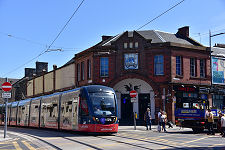
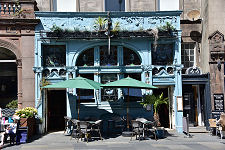
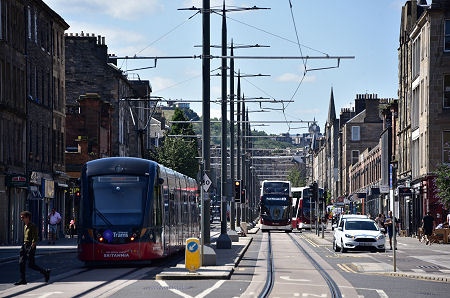 Leith Walk |
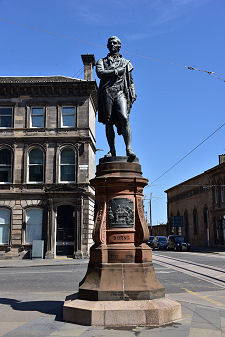
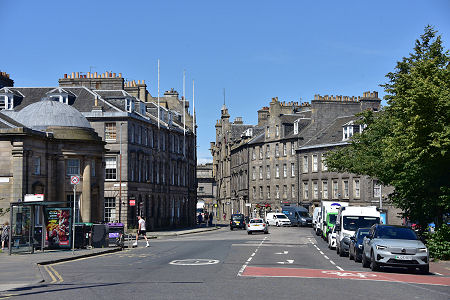 Bernard Street |
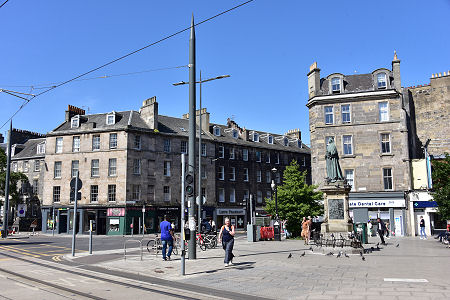 Newkirkgate |
The turning point was probably the decision to build Victoria Quay. This vast office building was completed in 1995 on land formerly between two docks. It now houses much of the Scottish Government. For some years afterwards, small high quality developments popped up across Leith in a pepperpot fashion, leaving an oddly fine grained mix of new and old.
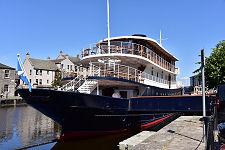
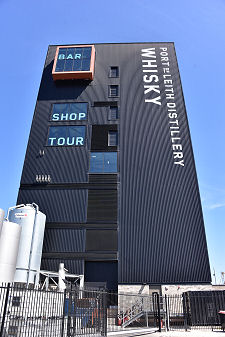
Over time, whole swathes of derelict warehouses were converted to residential or office use, or simply swept away and replaced by (mainly) sympathetic and well planned new buildings. An important arrival was the Ocean Terminal shopping centre, again on a dockside location. This is also home to the Royal Yacht Britannia, bringing its own steady stream of tourists from Edinburgh City Centre. Leith is also a frequent port of call for cruise liners. Ocean Terminal has more recently been reduced in size but other developments have continued apace, with new hotels, including the Fingal floating hotel and the Port of Leith Distillery.
But while parts of Leith have changed beyond recognition, much of the magnificent architecture from earlier waves of investment remains on view. Leith's dominance as a port, especially after Berwick on Tweed became permanently English in 1482, meant there has always been a great deal of money here, though always very unevenly distributed across the population. The rich shipowners and merchants have always wanted fine places to live and do business, and much of what they built is still here.
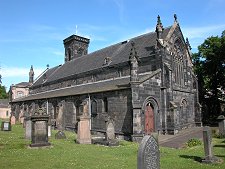
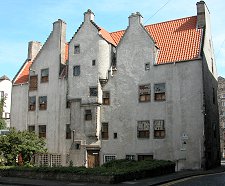
Leith has not neglected its history. Obvious examples of this remains in the form of Andrew Lamb's House, built in the early 1600s on the site where Mary Queen of Scots dined on her return from France on 19 August 1561. A number of other buildings remain from the later 1600s, while South Leith Parish Church contains the core of an earlier church built in 1483.
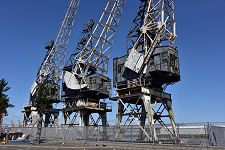
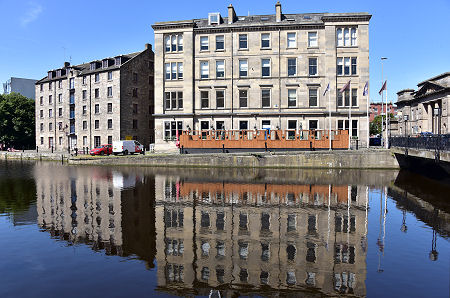 Commercial Wharf |
|
|
|
Visitor InformationView Location on MapWhat3Words Location: ///backed.kept.diary |
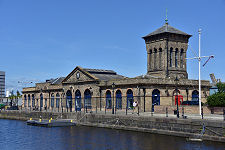 The Old Pumphouse |
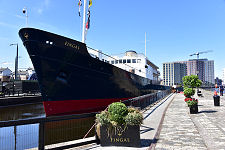 Fingal Floating Hotel |
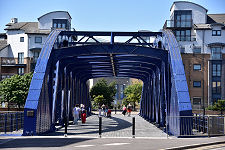 Victoria Swing Bridge |
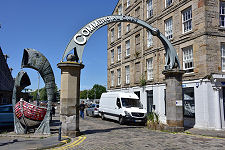 Commercial Quay |
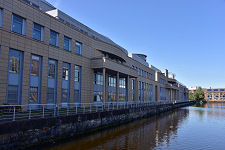 Scottish Government, Victoria Quay |
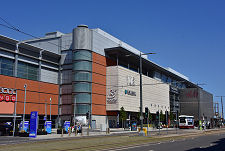 Ocean Terminal |
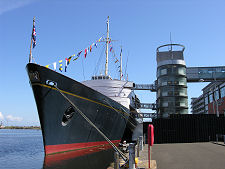 The Royal Yacht Britannia |
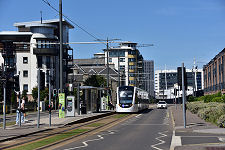 Ocean Drive |
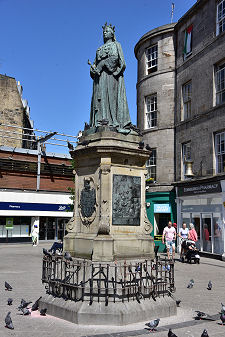 Queen Victoria |
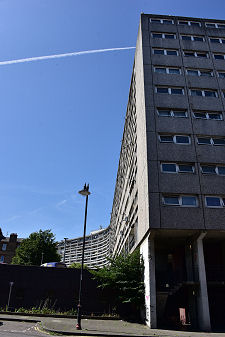 Cables Wynd House or Leith Banana Flats |